

A Beginner's Guide to Sustainable Living

Sustainable living is often misunderstood as something extreme, expensive, or difficult to maintain. In reality, it begins with awareness and small decisions that gradually become habits over time. It is not about achieving perfection or completely changing your lifestyle overnight. Instead, sustainability focuses on being more intentional about the way resources are used, the products we consume, and the impact everyday choices have on the environment. Even small adjustments, when practiced consistently, can contribute to meaningful long-term change.
1. Start by Paying Attention to Daily Habits
The first step toward sustainable living is simply becoming more aware of everyday routines. Many actions that feel automatic—leaving lights on, overusing water, purchasing disposable items, or wasting food—can have a larger environmental impact than people realize. Paying attention to these patterns creates opportunities for small but meaningful improvements.
Sustainability often develops through observation before action. Once you begin noticing habits, it becomes easier to identify areas where waste can be reduced. This process is not about guilt or restriction, but about understanding how small choices accumulate over time. Awareness creates the foundation for more intentional living.
2. Focus on Reducing Waste Rather Than Being Perfect
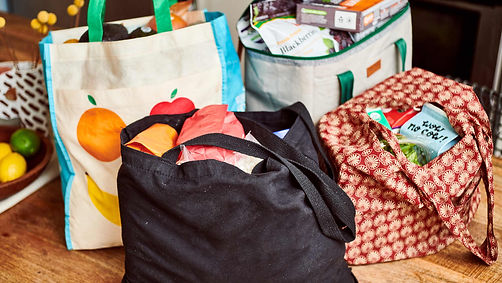
Many people avoid sustainability because they feel pressured to do everything perfectly. However, sustainable living is not defined by perfection—it is shaped by consistency. Small changes, such as using reusable water bottles, reducing unnecessary packaging, bringing reusable bags, or avoiding impulse purchases, can significantly decrease waste over time.
Rather than trying to completely eliminate consumption, sustainability encourages slowing down and making more thoughtful decisions. Reducing waste also helps shift the mindset from convenience-based habits toward longer-term thinking. Progress becomes more realistic and sustainable when approached gradually rather than all at once.
“Sustainability is not about doing everything perfectly. It is about making more intentional choices whenever possible.”
3. Rethink the Way You Consume Clothing and Products
One of the largest contributors to environmental waste is overconsumption. Fast-moving trends and constant advertising encourage people to buy more than they actually need. Sustainable living involves questioning these patterns and becoming more intentional about purchasing decisions.
Before buying something new, consider whether it serves a lasting purpose or fulfills a temporary impulse. Prioritizing quality over quantity, supporting responsible brands, shopping secondhand, or reusing existing items are all ways to reduce unnecessary consumption. Sustainable living does not mean never buying anything—it means valuing purchases more carefully and understanding their broader impact.
4. Build Habits That Support Longevity
Sustainability is closely connected to the idea of longevity. Taking care of belongings—whether clothing, electronics, furniture, or everyday products—reduces the need for constant replacement. Simple habits like repairing damaged items, washing clothing properly, or choosing reusable alternatives extend the lifespan of products while minimizing waste.
These routines may appear small, but they gradually create a lifestyle centered around maintenance rather than disposability. Over time, this mindset changes how value is placed on possessions. Instead of constantly replacing things, sustainable living encourages making the most of what already exists.
5. Remember That Collective Change Matters
Individual actions alone will not solve environmental challenges, but they still play an important role. Sustainable living becomes more powerful when awareness spreads between communities, schools, families, and online spaces. Conversations about sustainability encourage others to reflect on their own habits and contribute to broader cultural change.
This is why education and awareness are essential parts of sustainability. Sharing ideas, learning continuously, and encouraging progress—even imperfect progress—helps create momentum. Sustainable living is ultimately not about one person changing everything alone, but about many people making more conscious decisions together over time.




Beginning a more sustainable lifestyle does not require drastic changes or immediate perfection. It starts with awareness, intention, and the willingness to make gradual improvements over time. Small actions may feel insignificant in isolation, but together they shape habits, influence others, and contribute to a more thoughtful and responsible way of living.